CapMetro Opens Two Terminals to Extend Electric Bus Shifts
New pantograph chargers at Goodnight Ranch and Expo Center allow buses on two routes to remain in service for up to 22 hours.
By Thomas Rogers ·
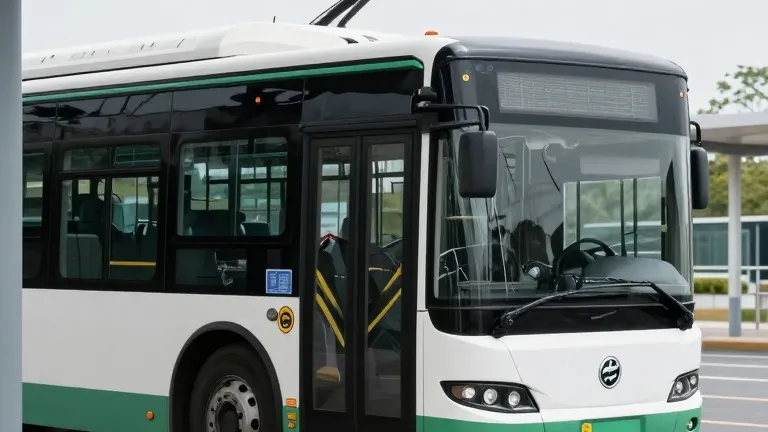
Austin’s transit system has long relied on overnight depot charging to manage its electric fleet, but a new infrastructure layout is changing how those vehicles operate during the day. CapMetro has opened two new park-and-ride facilities equipped with overhead charging technology to support its electric bus lines.
The Goodnight Ranch and Expo Center terminals, which were announced in June, are now fully operational. They serve as endpoints for the Rapid 800 and Rapid 837 routes. Each facility features pantograph-style wired chargers that allow buses to replenish their batteries after completing a trip, eliminating the need for a full return to the central depot for a top-up before the next run.
Andy Skabowski, CapMetro’s chief operations officer and executive vice president, stated that this on-route charging method significantly increases the duration a bus can stay on the road. He noted that while a standard bus holds about eight hours of charge, the new system extends that window to 20 or 22 hours. Skabowski explained that this reliability is what allows the agency to promise 10- to 15-minute service intervals.
The charging network is anchored at CapMetro’s main bus depot, where infrastructure partner Camber Charging installed two 1,440 kW systems. These units connect to 48 industrial dispensers, creating a total capacity of 2.9 MW. The depot is designed to charge up to 48 electric buses simultaneously during the overnight hours, providing the baseline energy needed for the day’s operations.
The buses on these routes are built on New Flyer’s Xcelsior battery-electric platform. Although the agency did not release specific battery data for the Austin fleet, New Flyer indicates the platform can offer up to 660 kWh of available capacity. The vehicles produce up to 320 all-electric horsepower and deliver full torque at 0 rpm, a specification suited to the frequent stops and starts of urban transit.
Camber Charging manages the preventive maintenance, charger software, and remote diagnostics for all three locations. The company’s systems monitor energy use and equipment health across the depot and the two new terminals, ensuring the grid can support the growing number of electric buses in the city’s fleet.
Source: Electrek