Czech Households End 205-Crown Broadcast Fee
Lawmakers voted overnight to shift funding for public broadcasters to the state budget while cutting overall allocations by 15 percent.
By Kenji Yamamoto ·
Czech lawmakers voted in the early hours of Saturday to advance a bill that eliminates the 205 crown household broadcasting fee. The governing coalition moved the legislation to committee review, effectively transferring the cost of public media from individual homes to the national treasury. This structural change marks a decisive break from the current funding model.
The proposal includes a 15 percent reduction in funding for Czech Television and Czech Radio. Following this initial cut, nominal funding levels are set to remain static for several years. The measure aims to replace the direct household payment with a line item in the state budget, a shift that supporters argue distributes the cost more equitably.
Prime Minister Andrej Babis, who leads a three-party coalition including the far-right SPD, had pledged to abolish the fee before taking office in December. He described the new model as fairer to lower-income households and a tool to force broadcasters to operate with greater efficiency. In a Facebook post on Friday evening, Babis addressed concerns about editorial control. "There is no war for independent media," he wrote. "There is no fight for democracy and no nationalisation of media is being prepared."
Opposition parties and broadcaster employees have challenged the rationale for the overhaul. Critics have drawn parallels to media reforms in Hungary under former Prime Minister Viktor Orban, suggesting the changes increase government leverage over national outlets. Public broadcaster staff previously struck in June to protest the potential loss of independence that accompanies state-controlled funding.
Public media occupy a central role in Czech society, ranking among the most trusted news sources in the country. Czech Television remains the most-watched broadcaster across multiple demographic groups. The government has frequently criticized both public and private media for biased coverage of its policies, a dynamic that has intensified scrutiny of the funding transition.
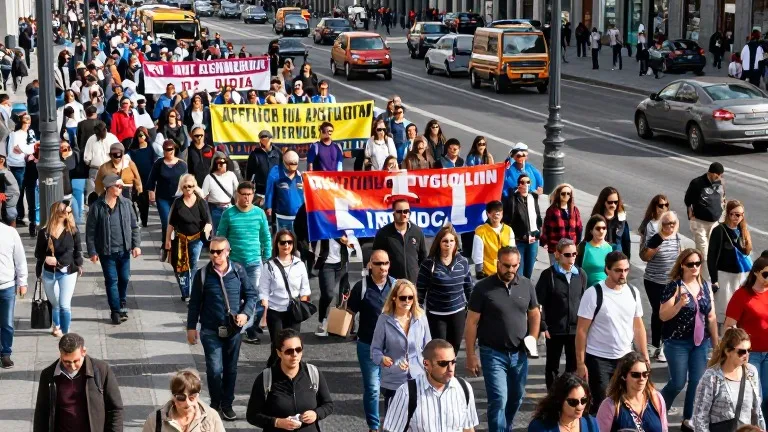
Resistance to the bill is expected to continue through public demonstrations and labor actions. A civic group has organized a protest for Sunday, while journalists and other employees at the public broadcasters have scheduled a strike for November 3. These actions follow the overnight parliamentary vote that secured the bill’s path to committee.
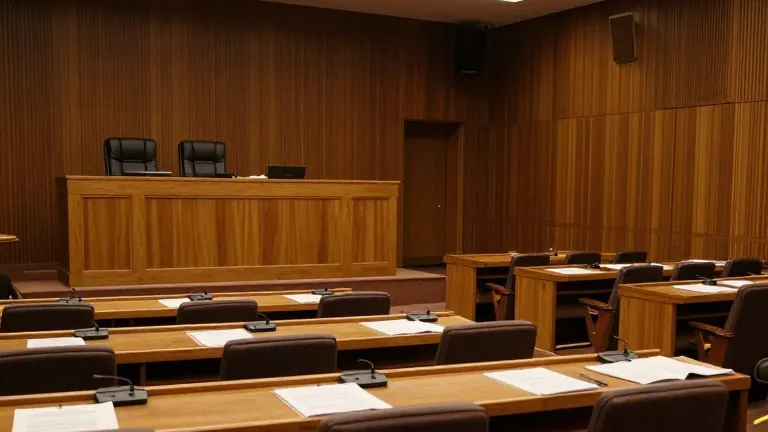
The legislative process will now continue in committee, where detailed provisions of the funding transfer and budget cuts will be examined. The outcome of these deliberations will determine the final terms of the overhaul before the measure returns to the plenary floor.
Source: Al Jazeera