Intel Secures One-Year FCC Waiver for Factory Logistics Robots
The chipmaker received a 365-day exemption to continue operating automated guided vehicles in its US plants while the agency clarifies whether industrial equipment falls under a new ban on foreign-made robots.
By Kevin Sanders ·
Intel has secured a one-year waiver from the Federal Communications Commission to keep specific foreign-made robotic vehicles running in its United States semiconductor facilities. The agency published its order on October 22, granting the exemption after Intel argued it needed clarity on whether its equipment was covered by a recent ban on certain mobile robots.
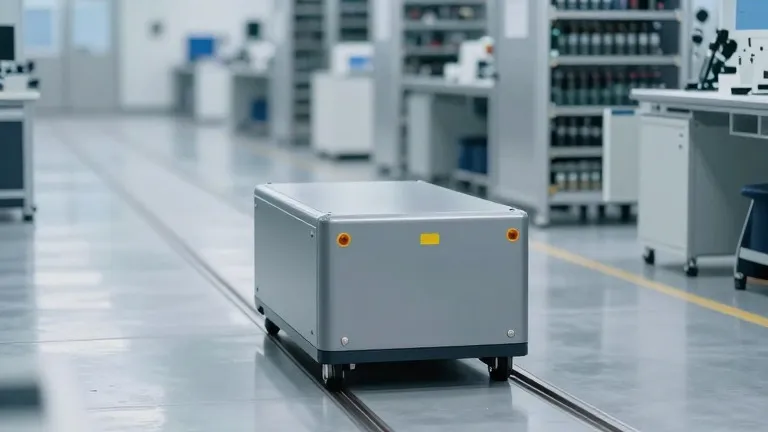
The waiver allows the chipmaker to operate automated guided vehicles for 365 days. These machines are not humanoid robots or consumer vacuums; they are industrial tools that run on tracks or predefined paths. They typically require oversight from an operator and are used to transport materials across factory floors and warehouses.
Bloomberg News reported that these vehicles are typically manufactured by Japanese firms such as Murata Machinery and Daifuku Co. However, the public record does not list the exact models Intel uses because they were detailed in a confidential appendix to the waiver request.
The regulatory confusion stems from the FCC’s new rules targeting new models of mobile robots. The ban includes humanoids and robot vacuums but allows previously approved devices to be imported. The uncertainty arises because the rules appear to limit major modifications to equipment that was already authorized, leaving companies unsure if their existing industrial fleets remain compliant.
Intel stated in its filing that it was unclear whether its vehicles qualified as robots under the ban. The company requested the exemption out of an abundance of caution to prevent its operations from being disrupted if the regulations were interpreted broadly.
The waiver also permits Intel to make necessary hardware, software, and firmware changes to maintain the vehicles during the exemption period. This ensures the equipment can continue functioning without violating the new restrictions.
The FCC order provides a temporary solution for Intel but does not resolve the classification issue. The agency has not issued a ruling on whether industrial automated guided vehicles are distinct from the mobile robots targeted by the ban. Intel will have until October 2027 to operate the machines under this waiver before needing to reapply or seek further clarification.
Source: Ars Technica
More Business · Tech news · Business Complaints · Report a business · Got a Story?