Polls close in 14 states as final week begins
With the election eight days away, candidates are shifting focus to undecided voters in key battlegrounds.
By Kenji Yamamoto ·
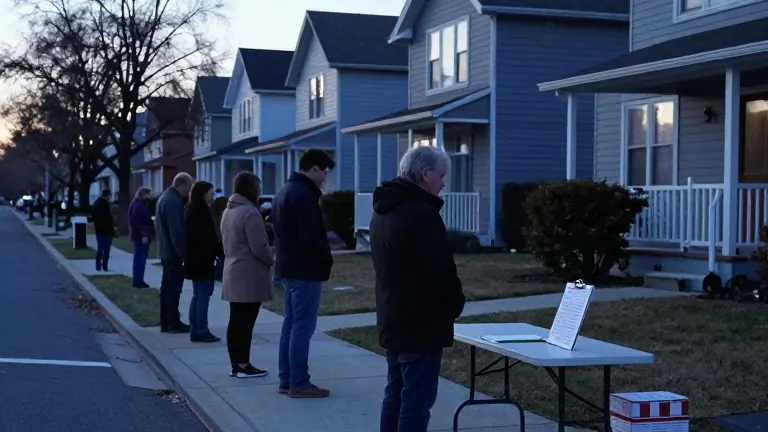
Fourteen state polls open at 6:00 a.m. on Tuesday, marking the first day of the final week before the November 4 election. Candidates for the presidency and congressional seats are already on the road, using the remaining eight days to target voters who have not yet cast a ballot.
The shift in strategy is visible in the scheduling of campaign events. Instead of large rallies in safe states, the top two contenders are holding smaller, town-hall style meetings in districts where the margin of error is tight. In Ohio, the leading candidate spent Tuesday morning at a high school gymnasium in Columbus, speaking directly to residents about health insurance costs. In Pennsylvania, the challenger visited a factory floor in Pittsburgh to discuss wages and manufacturing jobs.
Campaign managers say the final week will focus heavily on television advertising and direct mail. According to internal projections shared with local press, both campaigns have allocated over 40% of their remaining funds to digital ads aimed at voters aged 18 to 34. These younger voters have shown higher rates of undecided status in recent exit polls from primary contests.
The background of this final push includes a series of close primary results earlier in the year. In several swing states, the gap between the top two candidates was less than three percentage points. This narrow margin suggests that a small shift in undecided voters could determine the outcome. Local election officials report that early voting lines are already longer than in previous cycles, with a 15% increase in mail-in ballot requests received by Friday.
Reactions from party leaders reflect the urgency of the moment. The national chair of the Democratic Party held a press conference in New York on Monday, stating that the goal is to maximize turnout among working households. "We are focused on making sure every voice is heard," the chair said. "Our door-knocking teams are ready to reach voters in neighborhoods that have been historically underrepresented." The Republican national chair, speaking from a conference call in Texas, emphasized the importance of economic stability and warned against policy changes that could disrupt small business owners.
Independent groups are also active in the final days. A coalition of local labor unions in the Midwest has launched a bus tour that will stop in five cities by Saturday. The tour aims to connect with factory workers and service industry employees. Organizers say they have scheduled 20 small gatherings, each limited to 50 attendees to allow for direct conversation about voting logistics and key issues.
Public health officials have noted that the timing of the final week coincides with the start of the flu season in several northern states. Campaigns are adjusting their outdoor events to accommodate shorter days and cooler temperatures. Some candidates are wearing face masks during rallies as a precaution, a practice that has become more common in recent months as respiratory illness cases rise in the region.
The schedule for the next few days is packed. On Wednesday, both candidates will appear on separate morning television programs. On Thursday, the presidential candidates will hold their final debate, which is scheduled to be broadcast nationally at 9:00 p.m. Eastern time. The debate will be moderated by a panel of three journalists and will focus on the economy, foreign policy, and voting access.
On Friday, campaign events will wind down, with most candidates holding final rallies in their home states. On Saturday, the focus shifts to logistics, with campaign workers preparing to transport equipment and volunteers to polling places. The final day before the election, Sunday, is typically quiet, with candidates limiting public appearances to brief messages from their headquarters.
Source: Cascade PBS