Record turnout leaves Israeli voters in limbo as coalition math stalls
With 78% of eligible citizens voting, the highest since 1999, no bloc has secured the 61 seats required for power, triggering a high-stakes negotiation period.
By Kevin Sanders ·
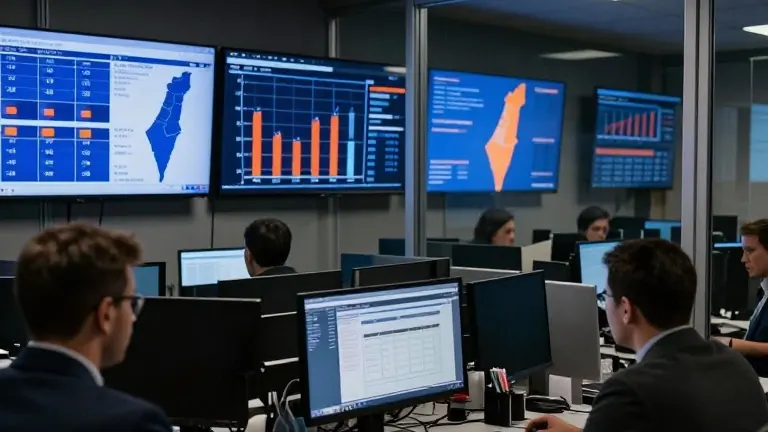
Jerusalem residents face a period of political uncertainty after Wednesday's vote produced no single governing majority. The record 78% voter turnout, the highest since 1999, failed to resolve the country's leadership question. Prime Minister Benjamin Netanyahu and his centrist challenger Gadi Eisenkot now enter a negotiation phase that could span several weeks.
Preliminary counts from the Central Elections Committee show a tight race for the 120 parliamentary seats. With 85% of ballots tallied, Netanyahu's Likud party holds 20.8% of the vote, while Eisenkot's Yashar party trails with 16.1%. Arab-led parties have secured 14.9% of the count, a historic performance that complicates the coalition math for both major blocs.
Local media projections suggest Likud and its allies will claim 53 seats. Yashar and its potential partners are projected to hold 48 seats. The 19 seats held by Arab-led parties are the critical swing factor, as neither major bloc can reach the 61-seat threshold without additional support from these smaller factions.
Netanyahu has ruled out a formal alliance with Arab parties, which represent 20% of Israel's population. He warned on Wednesday against forming a "dangerous government" with them. Eisenkot has kept the option open, demanding that any Arab partners recognize Israel as a Jewish state and designate Hamas as an extremist group. It is unclear if Eisenkot's other likely coalition partners, who previously opposed such an alliance, will change their positions.
Elad Naveh, the control manager at the Central Elections Committee, stated that counting absentee ballots from military personnel and diplomats will continue through Thursday evening. Israeli law mandates that final results be certified by November 4. The outcome of the vote reflected widespread dissatisfaction with the current government's handling of military draft exemptions for the ultra-Orthodox and the ongoing conflict in Gaza.
President Isaac Herzog holds the authority to task a leader with forming a government. While he is not required to choose the leader of the largest party, Herzog said Wednesday that the goal is to avoid a repeat election. "We must do everything we can, certainly after yesterday, to avoid another round of elections," Herzog noted. Eisenkot echoed this sentiment, calling it a personal duty to respect the will of the people after such high participation.
If no majority can be formed, Israel risks new elections early next year, adding to the five elections held between 2019 and 2022. Minority governments remain a possibility but would require legislative support from parties outside the cabinet. For now, the focus shifts to whether the center can bridge the gap with Arab-led parties or if Netanyahu will again lead from a weakened position.
Source: Orange County Register