San Diego to Lower Dam Spillway
The city plans to reduce the structure's height by 35 feet to mitigate flood risks in a project expected to cost up to $50 million.
By Kevin Sanders ·
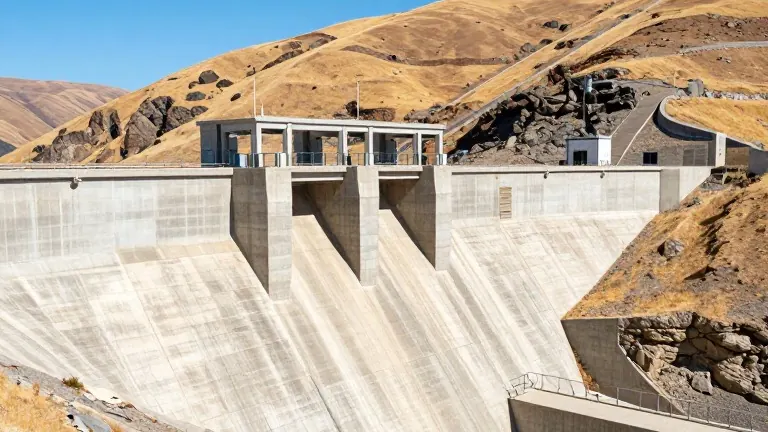
City officials have unveiled a plan to structurally reduce the height of Lake Hodges Dam by 35 feet. The proposal involves lowering the spillway from 315 feet to 280 feet. The estimated cost of the work ranges from $30 million to $50 million. Construction is projected to begin in 2030 and continue for seven years.
The state Division of Safety of Dams identified this as the only viable interim solution. The dam, built in 1918, is currently rated as the most dangerous in California. State officials assigned it an unsatisfactory safety level in 2023. The primary risk stems from the infrastructure used to release excess water. The city currently relies on a single 36-inch pipe to drain the reservoir. Heavy rainfall could overwhelm this pipe, leading to major flooding downstream.
Local civic groups, including the Friends of Lake Hodges, oppose the structural change. They argue that a permanent replacement dam is the superior long-term investment. These groups prefer a higher water level, specifically 295 feet, for recreational purposes and wildfire prevention. They question the financial logic of spending tens of millions on an interim fix that may be superseded by a new construction project shortly after the initial work is finished.
The decision to lower the spillway follows a breakdown in funding agreements for a full replacement dam. Cost estimates for a new structure have risen sharply. The price tag jumped from $275 million to a range between $474 million and $697 million. In response, the County Water Authority withdrew its commitment to cover half of the cost. This move triggered litigation. The city is suing the water authority, while other water agencies are suing the city for allowing the dam to deteriorate.
A comprehensive analysis to determine the future of the dam is due by next spring. This study will evaluate whether to build a full-size replacement, a smaller dam focused solely on flood prevention, or no new structure at all. City officials note that the current dam was designed primarily for water storage rather than flood control. If no new dam is built, flood risks in Rancho Santa Fe and other downstream areas may increase.
Lowering the spillway to 280 feet will have immediate practical consequences. The change will render a taxpayer-funded pump unusable. A $208 million pump built in 2012 was designed to move excess water to the nearby Olivenhain Reservoir. It has been inactive since the state forced the city to lower the reservoir level in 2023. The lower water level also restricts boating and fishing activities.
Residents near the dam argue that the lower water table increases wildfire risk. They say that vegetation previously submerged is now exposed and dried out. The area lost several hundred homes during the 2007 Witch Creek fire. City officials state that they are monitoring these risks closely. In 2024, the city secured a $240.6 million federal loan for the dam replacement. Officials are now considering shifting those funds to another dam project if the current replacement plans are delayed or cancelled.
The city will not wait for the new dam analysis to proceed with the spillway work. The council must approve the design and funding before construction starts. The lowered spillway will not be operational until roughly 2034. This timeline means the city will rely on current monitoring systems for the coming winter storms. Officials stated that staff coordinate with state and local partners to make controlled releases when necessary.
Source: The San Diego Union-Tribune