3,000 stores: Aldi's small footprint drives major grocery price cuts
The German chain plans to expand to 3,000 U.S. locations by 2028, forcing competitors like Kroger and Wegmans to lower prices in response.
By Thomas Rogers ·
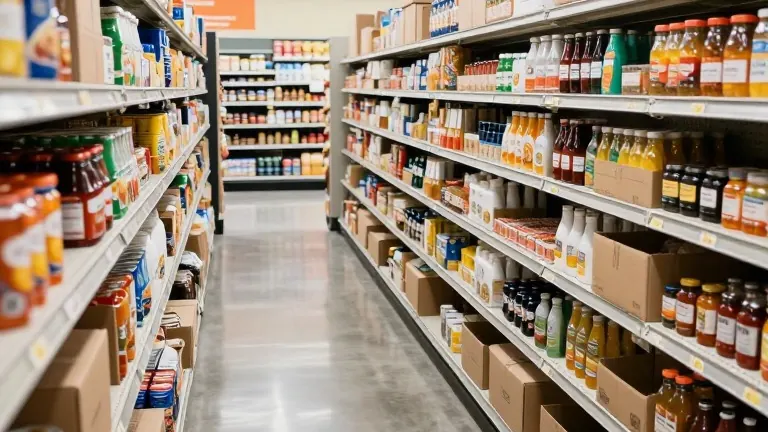
Aldi plans to operate more than 3,000 stores in the United States by the end of 2028. According to Bloomberg, this expansion would make the German chain the second-largest grocery operator in the country, trailing only Walmart.
The company generated approximately $29 billion in U.S. sales in 2024. This figure exceeds the revenue of Trader Joe's, establishing Aldi as a major economic force despite its smaller physical footprint compared to traditional supercenters.
Food reporter Deena Shanker compared prices across multiple chains over several months. She found that Aldi matched or undercut Walmart on cost for many items. This price pressure has forced larger competitors to adjust their own pricing strategies in recent years.
Grocers including Kroger and Wegmans have announced defensive price reductions. An analysis published in late 2023 regarding Lidl, a similar German competitor, found that grocery chains reduced markups by roughly 7 percent in areas where new Lidl stores opened. This suggests Aldi's expansion creates a measurable ripple effect on local prices.
The chain achieves these low costs through two primary operational strategies. First, more than 80 percent of items on Aldi shelves are private label products. These include store-branded versions of popular goods, such as Benton's Chocolate Sandwich Cookies with Vanilla Filling, which mimic the appearance of major national brands without the associated licensing or markup costs.
Second, Aldi maintains a limited product selection. The company stocks only one version of most essential items, such as a single type of rice or eggs. This approach allows for bulk purchasing and reduces waste from unsold inventory. The small store size also lowers rent and real estate costs compared to larger competitors.
This efficiency is visible in the store layout. Staff often place products on shelves directly in the cardboard boxes used for transport to save labor costs. The absence of background music further reduces licensing fees. These deliberate choices keep the base cost of operations low.
Aldi is strategically located near other grocery chains to accommodate this limited selection. Shoppers can purchase their bulk staples at Aldi and visit a neighboring store for specialized items not carried by the German chain. This unbundling of the grocery experience allows Aldi to remain profitable while keeping prices below market averages.
Source: NPR
More Business · Business Complaints · Report a business · Got a Story?