Federal regulators propose cyan lights for self-driving cars
New rules would standardize how autonomous vehicles signal to other drivers while removing outdated requirements for manual controls.
By Thomas Rogers ·
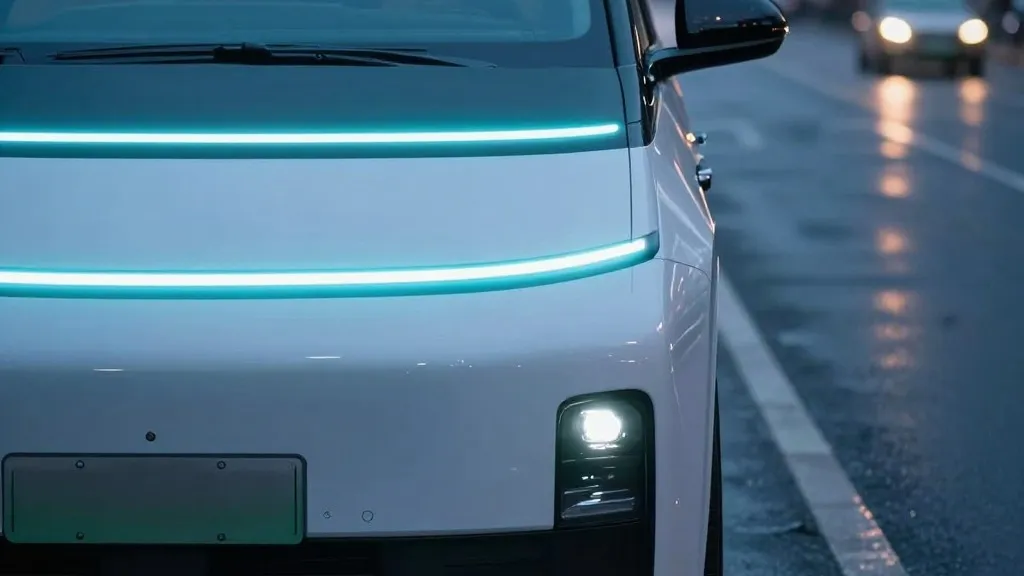
The long debate over how driverless cars should announce their presence on the road is moving toward a specific visual answer. Federal regulators have officially proposed that autonomous vehicles use cyan-colored lights to indicate that no human is behind the wheel. This development marks a significant shift from years of speculation involving flashing text, audio alerts, and various custom lighting systems. The National Highway Traffic Safety Administration released these proposed changes to Federal Motor Vehicle Safety Standard No. 108. The update aims to rewrite rules to better fit the reality of autonomous vehicles. It seeks to cut through red tape for designs without human drivers while standardizing how these cars communicate with the world around them.
The agency specifically proposes cyan-colored marker lamps for this purpose. The goal is to clearly and consistently signal to law enforcement and other road users when an automated driving system is in control. Regulators chose this specific blue-green hue for practical reasons. The auto industry already relies on red, amber, white, and flashing blue or red lights for standard functions like brakes, turn signals, headlights, and emergency vehicles. Cyan would fill a visual gap without confusing drivers who are already accustomed to those other colors. There is some precedent for this approach as well. Mercedes-Benz received state-level approval for turquoise lights on its Level 3 Drive Pilot cars. Although the automaker has since scrapped that specific idea in favor of a Level 2++ system, the concept has been tested at the state level.
The timeline for this standardization began with years of industry debate about how to distinguish robotaxis from traditional cars. Regulators watched as different companies experimented with various signals. Now, NHTSA is looking to set a national standard that operators like Waymo, Nuro, and Zoox can adopt uniformly. Automakers such as GM and Mercedes could also use this framework. By establishing a single federal standard, the agency hopes to avoid a confusing mix of different colors and signals across the country. This would allow any automaker who chooses to add these lights to use a consistent and legal setup.
Under the proposed rule, cyan marker lights would remain optional for manufacturers. However, the federal standards would dictate the color, brightness, and location of these lights if a company chooses to install them. This ensures that the signals are recognizable and uniform. The proposal also includes the removal of several lighting requirements that do not make sense for vehicles without human drivers. Current rules demand physical hazard switches, manual beam shifters, and turn levers inside the cabin. NHTSA proposes to remove these requirements since they are unnecessary for automated driving. The agency is also updating the 12.8-volt testing standard. This change would allow automakers to build around modern LED architectures without dealing with unnecessary administrative hurdles. Additionally, NHTSA is considering removing requirements that dictate whether high-beam lights sit above or below low-beam lights.
This update is part of a broader administrative push by the Department of Transportation to streamline the deployment of autonomous vehicles. The government aims to make it easier for automakers to build cars without traditional controls like steering wheels and pedals. These controls are currently designed for vehicles operated by human drivers. Removing these requirements would allow for more flexible interior designs that focus on passenger comfort rather than driving mechanics. The proposed changes reflect a growing recognition that the current safety standards were written for an era when every car had a human driver.
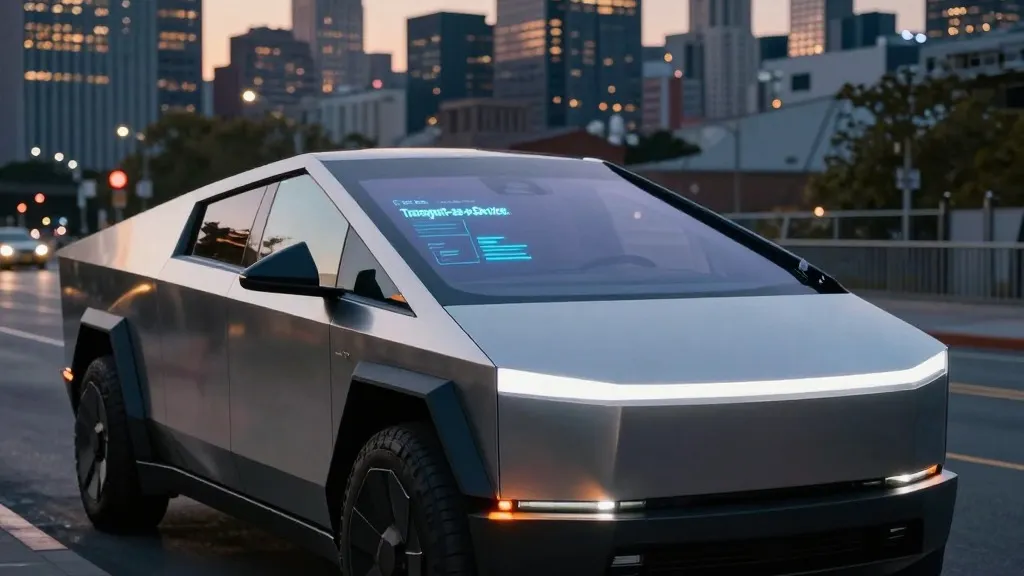
However, regulators are still enforcing existing rules as they are currently written. Last month, NHTSA opened an audit query into the Tesla Cybercab. The agency is examining the process and technical data on which Tesla relied when certifying the vehicle. The main issue is the absence of certain design features required under current standards. These include sideview mirrors, pedals, and a steering wheel. This audit highlights the tension between new proposals and existing regulations. It shows that while the path forward is becoming clearer, the transition period may involve close scrutiny of early autonomous models.
What happens next depends on the feedback and approval process for these proposed changes. If the rules are finalized, manufacturers will have a clear framework for signaling their autonomous status. The optional nature of the lights means that adoption will likely vary by company. Some may prioritize the cyan lights for their robotaxi services, while others may wait to see how competitors implement the standard. The removal of manual control requirements will also influence how new vehicles are designed. As the industry moves forward, the focus will be on creating a uniform language for self-driving cars that is easy for all road users to understand.
Source: The Verge · original report published