Robotaxi Reality: Tesla's Self-Driving Update Limited to Specific Zones
Tesla has confirmed that unsupervised driving for customer-owned vehicles will debut in mid-2027, but only within the company's existing managed Robotaxi service areas.
By Kenji Yamamoto ·
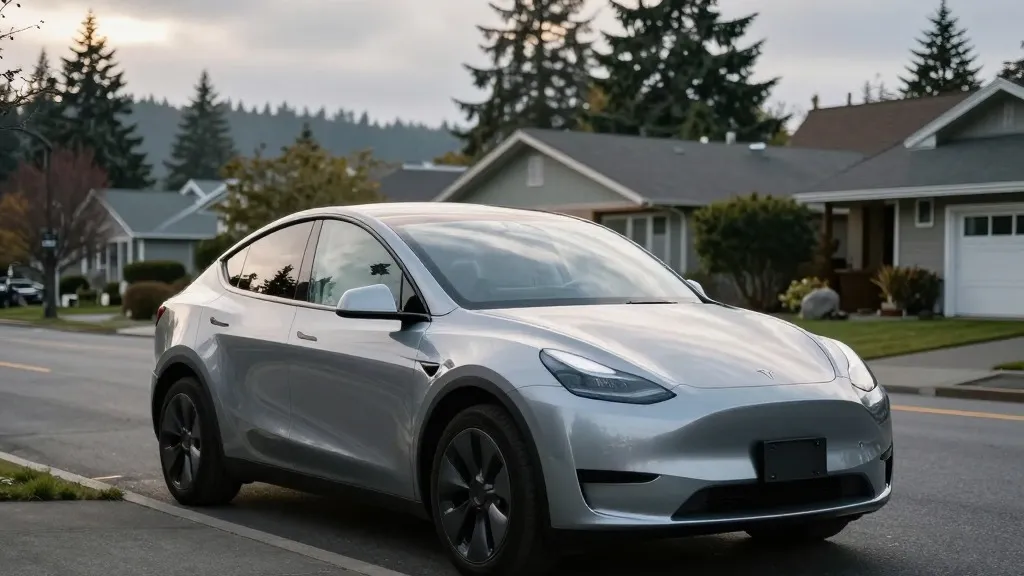
For drivers who purchased Full Self-Driving capability, the definition of what that technology actually delivers is shifting. On Tuesday, during Tesla’s third-quarter 2026 earnings call, the company set a specific target for unsupervised driving in customer-owned vehicles: the second quarter of 2027. However, the scope of this feature is significantly narrower than many buyers may have anticipated. Instead of a universal software update that allows a car to drive anywhere in the United States, the initial rollout will be confined to the specific geographic areas where Tesla already operates its managed Robotaxi fleet.
The clarification was provided by Ashok Elluswamy, Tesla’s AI chief, who addressed a top question from retail shareholders holding approximately 1.1 million shares. Elluswamy explained that the first step is not a standalone feature that lets owners sleep in the back seat while their car navigates any destination. Rather, it involves integrating owners’ vehicles into Tesla’s managed Robotaxi network. This means a customer’s car can only operate without a human driver when it is physically located within a zone where Tesla’s Robotaxi service is already active.
Currently, these zones are limited in size. Tesla’s Robotaxi service operates in six U.S. metropolitan areas, but the service areas often cover only small portions of those cities. For example, the Miami service area primarily includes West Miami and a strip toward Doral and Sweetwater. Similar small geofences were established in Orlando and Tampa when those services launched in July. Within these boundaries, the vehicles stick to low-speed routes, largely avoid highways, and bypass more complex urban environments.
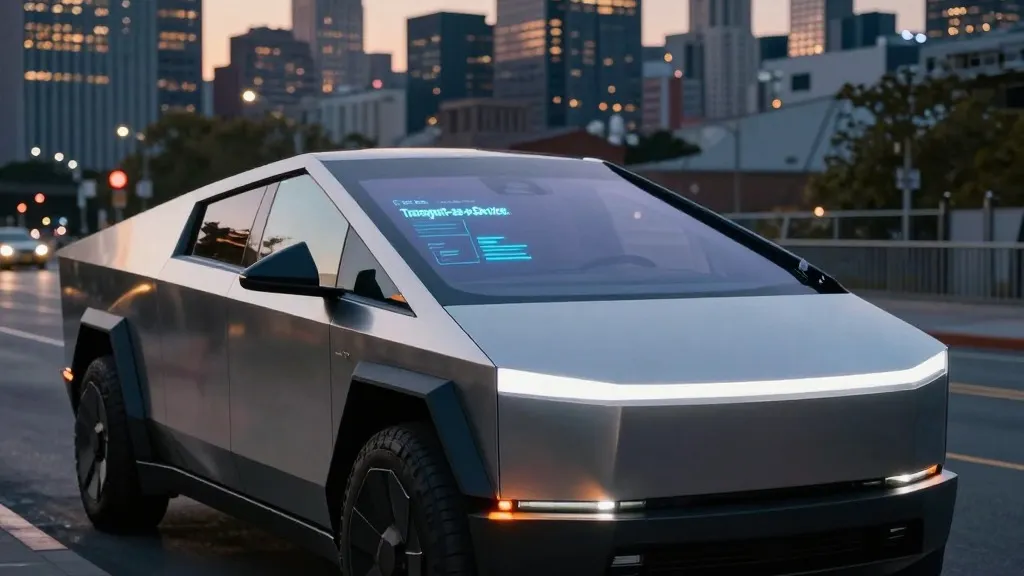
In the Bay Area, the service is not yet fully unsupervised due to regulatory hurdles. California rules require a safety driver in every car because Tesla has not released certain data to the California DMV that is required for operations beyond Level 2 autonomous systems. Additionally, the fleet size remains modest. Tesla reported that its Robotaxi service reached nearly 2 million cumulative unsupervised miles by the end of the third quarter, a month after the Cybercab joined the Austin fleet. Third-party tracking suggests there are currently only dozens of fully driverless Teslas on the road, a fraction of the hundreds of thousands previously discussed by company leadership.
This approach contrasts with the long-standing pitch to FSD buyers, which promised a car that would eventually drive itself anywhere through a software update. In July 2025, Elon Musk told investors that unsupervised FSD would be available for personal use by the end of that year in certain geographies. A year prior, he had expressed surprise if the technology wasn't ready the following year. Complicating matters for some buyers, owners of vehicles with the HW3 computer have been informed that their hardware cannot run unsupervised FSD at all, with no clear upgrade plan provided.
Elluswamy noted that safety remains the primary bottleneck, which is why the system is currently limited to low-speed roads and less challenging environments. He estimated that these safety issues could be resolved by next year, though he acknowledged uncertainty regarding the timeline. For now, the target date is Q2 2027, but the product is defined by Tesla’s operational control: the car joins the fleet, operates in Tesla’s zones, and follows Tesla’s terms.
For prospective buyers and current owners, the immediate implication is that the promise of a fully autonomous commute or long-distance trip remains distant. Until the geofences expand, unsupervised driving will only be possible for those who live and work within the specific, limited areas where Tesla’s Robotaxi service is currently deployed.
Source: Electrek · original report published