NASA’s Artemis Moon Plan Faces New Reality: 22 Starship Launches Now Estimated
A new internal assessment suggests that fueling a lunar lander will require more launches than previously hoped, potentially straining the timeline for crewed missions this decade.
By Kenji Yamamoto ·
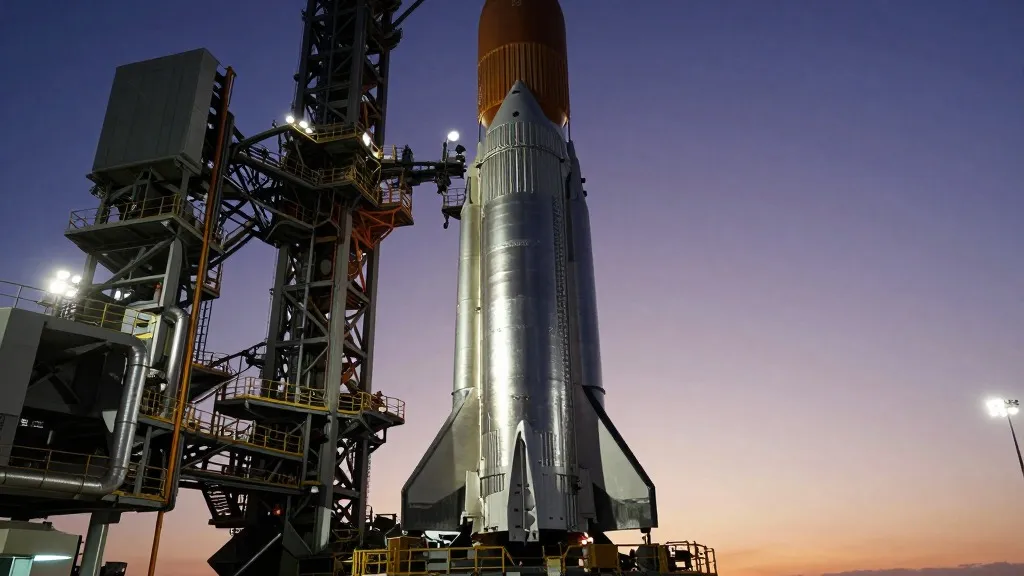
NASA has long treated the specific number of rocket launches needed to fuel its lunar lander as a closely guarded metric, akin to a state secret, even though the agency itself possesses no nuclear weapons. The figure in question represents the quantity of Starship vehicles required to assemble a fuel depot in low-Earth orbit, a prerequisite for sending a crewed vehicle to the Moon and back. Until now, officials have largely avoided pinning down an exact count, citing the evolving nature of the technology.
However, a new estimate surfaced during a quarterly meeting of the NASA Aerospace Safety Advisory Panel on Thursday. Charlie Precourt, a panel member and former astronaut, discussed the risks associated with the Artemis Program and the logistical hurdles of landing humans on the Moon. While previous internal communications suggested a lower number, the latest assessment indicates that the requirement has climbed to 22 launches. This figure represents a significant increase from earlier projections and underscores the growing complexity of the mission architecture.
For years, the required launch count has been a moving target, with NASA officials generally responding to inquiries with a cautious, "We don't know for sure, so we're not going to say." In 2023, Lisa Watson-Morgan, then-director of the Human Landing System, expressed reluctance to commit to a precise figure, telling Ars Technica, "We have a general idea, but I'm reluctant to say exactly what that is." Subsequent remarks from her and other officials placed the estimate in the "high single digits to the low double digits," a range that implied roughly a dozen flights. Other sources have even cited numbers in the "high teens," but the jump to 22 marks a distinct shift in the operational outlook.
The logistics behind this number are substantial. Under the current plan, SpaceX would need to launch a "depot" Starship, followed by multiple "tanker" Starships to load it with liquid oxygen and methane propellant. The new estimate suggests a fleet of tankers must be sent to fully fuel the depot for a lunar voyage. This requirement places a heavy burden on SpaceX’s launch cadence and the reliability of the Starship system, which was initially expected to improve its lift capacity significantly to reduce the number of tanker flights needed.
Concern is growing among some NASA officials that these anticipated improvements in lift capacity may not materialize soon enough. If the launch count remains high, it could jeopardize SpaceX’s ability to play a meaningful role in returning humans to the Moon within this decade as part of the broader Artemis goals. The delay or increase in required launches introduces new variables into the safety and timeline calculations, prompting the kind of scrutiny seen in the recent advisory panel discussions.
The next steps for the program will likely involve a deeper review of the launch schedule and the specific performance metrics of the Starship vehicles. As the deadline for crewed lunar landings approaches, the gap between projected and actual launch capabilities will become a focal point for both internal NASA planning and external oversight. Whether the agency can bridge this gap with existing technology or if further adjustments to the mission architecture are needed remains an open question.
Source: Ars Technica · original report published