
Gas Costs Spike as Winter Reserves Hit Decade Low
European wholesale gas reached €97 per megawatt-hour on Monday, driven by cold weather and fears of further Middle East supply disruptions.
By Kevin Sanders ·
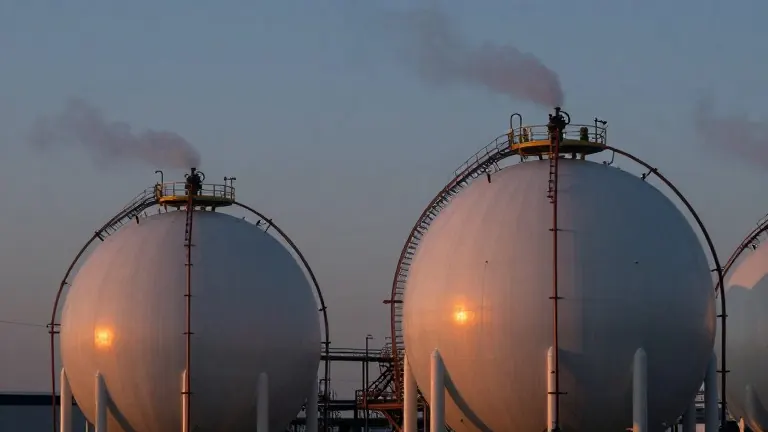
European wholesale gas prices hit €97 per megawatt-hour on Monday, marking the highest level since 2022. Traders responded to falling temperatures across the continent and deepening concerns about winter supplies. The price surge reflects a market tightening just as heating demand begins to rise.
In the United Kingdom, the month-ahead gas contract jumped 4% to 240p per therm. This figure represents the peak level seen since December 2022, a period when prices spiked following Russia's full-scale invasion of Ukraine. The increase puts immediate pressure on domestic energy costs and commercial fuel expenses alike.
Market analysts point to the ongoing conflict in the Middle East as a primary driver of the price hike. Reports indicate that the United States and Israel have prepared plans for renewed strikes on Iran after the US midterm elections. These geopolitical tensions pushed oil prices to $117 a barrel on Friday. Although Brent crude eased by 2% on Monday, it remains above $114 a barrel.
Europe enters this winter with gas storage levels at their lowest point in more than a decade. Current storage sits at approximately 75% capacity, well below the seasonal average of 80%. A slowdown in exports from Qatar and higher summer consumption for cooling systems contributed to the reduced reserves. The UK faces a particularly difficult season because it relies heavily on imports to maintain steady supplies.
Energy regulators in Britain warn that the country will likely face some of the highest energy costs in Europe this winter. The nation maintains some of the smallest gas stores on the continent, a legacy of decades of dependence on North Sea production. Recent data from the Office for National Statistics shows the UK spent a record £4 billion on power imports in the year ending in August. Half of that expenditure went toward electricity imported from France.
British households are preparing for a substantial increase in bills. Analysts predict energy costs will rise 16% in January. This increase would bring the typical annual dual fuel bill to an equivalent of about £2,000. The grid has also faced strain, with near-record payments made to start up gas plants while wind and solar farms were paid to switch off due to bottlenecks.
Stock markets showed slight gains on Monday as the softer oil price provided some relief to investors. The Stoxx Europe 600 index, which tracks the continent's largest companies, climbed 0.3% in early trading. The UK's FTSE 100 rose by 0.4%, suggesting the market is currently absorbing the shock of higher energy prices without a major sell-off.
Source: The Guardian