Israel Vote: Netanyahu's Coalition Faces a Test of 120 Seats
With polls showing no clear winner, the election could trigger weeks of negotiations or a repeat vote, echoing the deadlock seen between 2019 and 2022.
By Kevin Sanders ·
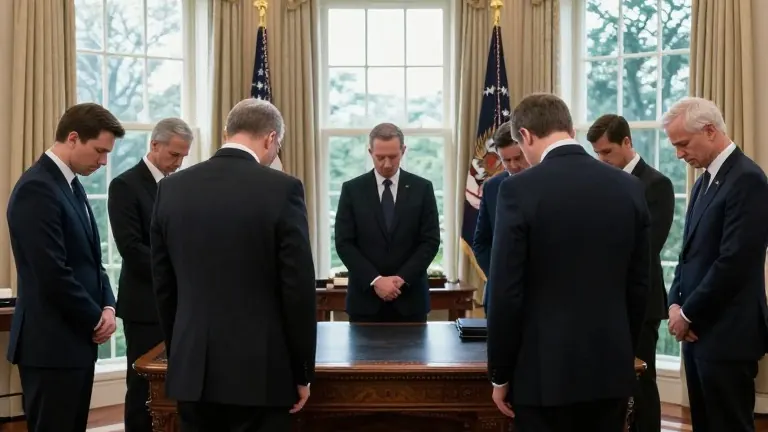
Prime Minister Benjamin Netanyahu stands at the center of Israel’s Tuesday vote, seeking to retain his position after three years of multi-front conflict. The election, held on October 27, 2026, will determine the composition of the 120-seat Knesset. Polls indicate a tight race, with no faction projected to secure the 61 seats required for a standalone majority. This lack of a clear winner sets the stage for complex coalition negotiations or the potential return of a second vote.
The path to this contest began with the Hamas attacks on October 7, 2023, which authorities acknowledged as the deadliest since the state’s founding in 1948. Since then, Israel has engaged in active warfare in Gaza, Lebanon, and Syria, alongside two direct confrontations with Iran. Netanyahu’s Likud party campaigns on the premise that he can govern without Arab party support and that his administration needs additional time to complete its military objectives in the region.
Former military chief Gadi Eisenkot leads the opposing change bloc, a diverse coalition of Arab, right-wing, left-wing, and centrist parties united by the goal of removing the incumbent. Eisenkot, who lost his son and two nephews in Gaza, positions his centrist Yashar party as a unifying force. His campaign contrasts the male-dominated Netanyahu coalition with a candidate list where approximately half are women. He has pledged to launch a state inquiry into the intelligence failures that preceded the 2023 attacks, a move Netanyahu has previously blocked.
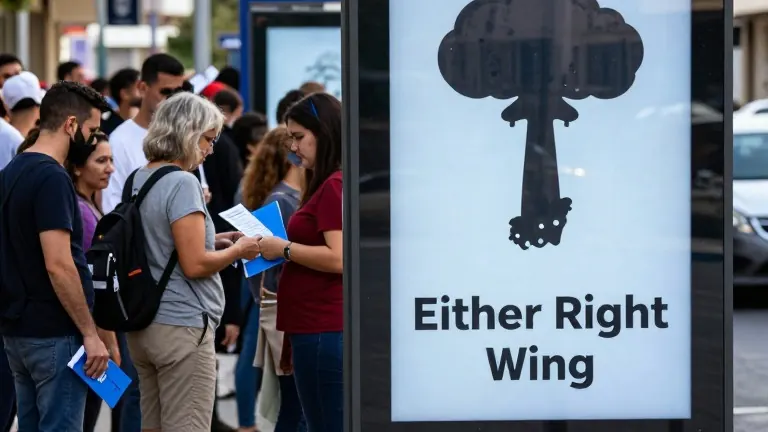
International support plays a visible role in the campaign. President Donald Trump offered a vocal endorsement of Netanyahu last week, warning that the United States might have to conduct the work against Iran itself if the Israeli leader loses power. Netanyahu has leveraged this endorsement, arguing that he is best equipped to work with the American administration to prevent Iran from acquiring nuclear weapons. His campaign slogan, which rhymes in Hebrew, warns voters that the choice is between the right-wing or a nuclear bomb.
Voter turnout among Arab Israelis, who comprise roughly 20% of the population, could sway the results. Jehad Abomoch, a cafe owner in Baqa al Gharbiya, stated that many in his community feel they have no future under the current government. High turnout in this demographic could prevent Netanyahu from forming a government with far-right allies. Additionally, two new parties focused on drafting ultra-Orthodox men into the military are hovering near the electoral threshold, posing a direct challenge to Netanyahu’s traditional coalition partners.
If neither bloc wins a majority, the political landscape offers several paths forward. Lawmakers may switch sides to form a government, a practice with precedent in Israeli politics. Alternatively, the change bloc could form a minority government if it secures more seats than the opposing side, even without a majority, potentially with Arab parties abstaining. If negotiations fail, the country will hold new elections. Israel held five elections between 2019 and 2022 due to similar deadlocks.
Yohanan Plesner, president of the Israel Democracy Institute, noted that an indecisive outcome is the most likely result. He added that while many politicians are averse to a repeat vote, the current polling margins make a swift, definitive mandate difficult to achieve. The voting process is scheduled to conclude Tuesday, with results expected in the days that follow as parties begin counting votes and assessing coalition options.
Source: CBS News