
Israeli Vote Looms Amid Security Inquiry Push
Opposition figures joined thousands at a Tel Aviv rally demanding accountability for security lapses ahead of Tuesday's ballot, as polls point to a hung Knesset.
By Thomas Rogers ·
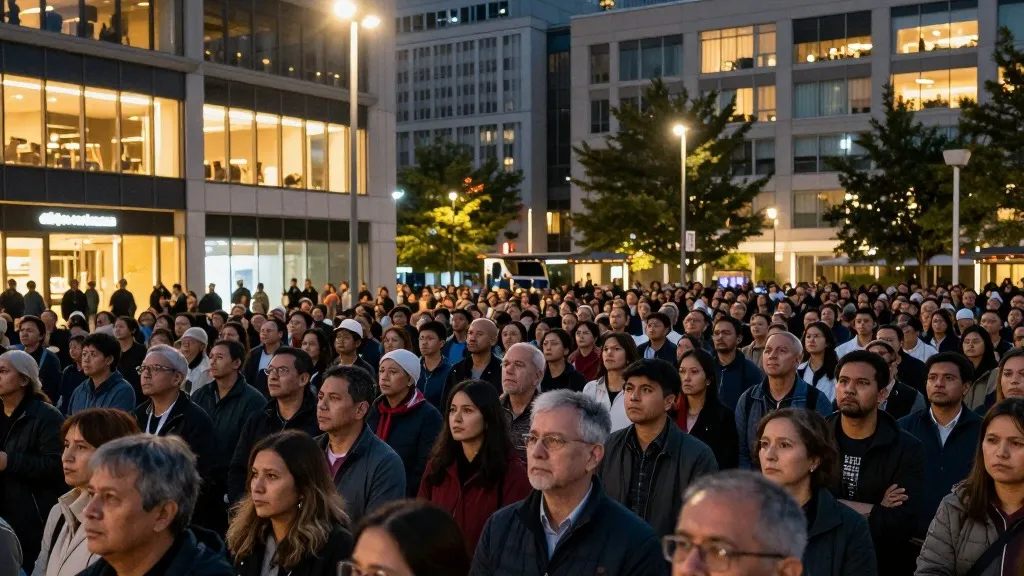
Three days before Israelis head to the polls, thousands took to the streets in Tel Aviv, creating a scene with significant political and economic weight. The rally, held at a public plaza, centered on calls for an independent investigation into the security failures preceding the October 7, 2023 attacks. This event marks the final major campaign gathering before the country's first general election since the war in Gaza commenced, a vote with substantial implications for regional stability and domestic policy.
The central issue driving the protest is a demand for accountability. Organizers, a group founded by families of those taken to Gaza in 2023, are seeking to establish a state commission of inquiry. Their stated goal is to uncover the truth behind the events that led to the conflict and to hold officials responsible. This push comes as the current coalition government has declined to create such an independent body.
In place of an independent inquiry, the government has proposed a commission where half the appointees would be chosen by the ruling coalition. Opposition leaders have stated they would boycott any commission formed in this manner, viewing it as a political process rather than an impartial investigation. The organizers of the Tel Aviv rally also alerted police to potential provocations from individuals linked to the governing coalition ahead of the event.
Prominent opposition figures were present at the gathering. Gadi Eisenkot, a former military chief who now leads the Yashar party, participated in the event. He is the principal center-right rival to Prime Minister Benjamin Netanyahu. The leader of the Democrats, Yair Golan, was also in attendance, reflecting broad opposition participation in the demonstration.
Polling data released before the election indicates a highly competitive contest. Netanyahu's right-wing bloc, which has been in power since late 2022, is polling neck and neck with Eisenkot's coalition. Neither side is projected to secure a majority of seats in parliament, a scenario that could lead to complex coalition negotiations after the vote. The economic stability of the nation often depends on a functioning government.
The outcome of the election carries direct consequences for Israel's military posture. The vote will be a key factor in determining whether the country initiates another series of strikes against Iran. It is believed that Eisenkot would be less inclined to resume military operations against Tehran if he were to become prime minister, a shift that could alter regional market expectations.
On other major foreign policy matters, however, the leading political factions are largely aligned. Their positions include a shared opposition to the creation of a Palestinian state. This consensus suggests that regardless of which bloc forms the next government, certain foundational policies are likely to continue without change.
The political climate is tense as election day nears. The refusal to establish an independent commission of inquiry remains a point of friction between the government and its critics. With polls showing a tight race, the final days of the campaign are focused on mobilizing voters around these unresolved questions of accountability and future security strategy.
Source: Al Jazeera
More Business · World news · Business Complaints · Report a business · Got a Story?