Warhound Secures $200 Million to Breed Engineered Canines for Defense
A new startup backed by tech billionaires and intelligence agencies plans to genetically modify dogs for military service.
By Kenji Yamamoto ·
A potential clash between traditional breeding methods and synthetic biology has emerged in the defense sector. Warhound, a startup that emerged from stealth on Thursday, intends to genetically engineer war dogs for the U.S. military, law enforcement, and emergency response teams. The company secured $200 million in funding, a round that values the venture at $1.2 billion. Investors include Sequoia, 8VC, Corner Ventures, and In-Q-Tel, a firm backed by the CIA and other U.S. intelligence agencies.
The financial backing supports a plan to address a significant gap in the current supply chain. According to the company, more than 80 percent of working dogs used by the U.S. military are imported from Europe. Furthermore, fewer than half of these imported animals are deemed fit for service. This reliance on foreign nations for a critical military asset has created a dwindling domestic supply that Warhound aims to replace with locally produced, optimized animals.
The project is a collaboration between Ben Lamm of Colossal Biosciences and Palmer Luckey of Anduril. Lamm noted that he first met Luckey a year ago at a conference, where the Anduril founder expressed concern over the state of military working dogs. Lamm subsequently researched the field and found that many dogs fail training due to inherited issues such as poor eyesight, cancer, hip dysplasia, or muscle atrophy. He believes genetic editing can enhance health, longevity, and specific traits like speed, agility, and olfactory sensitivity for tasks like bomb detection.
The technical approach involves using cell lines from high-performing breeds, specifically the Belgian Malinois and German Shepherd. These cells are stored in a biobank where engineers will edit the DNA. The process adds genes that improve performance and removes those associated with health problems. The goal is to create a new type of dog suited for demanding missions.
Anduril will provide the technological layer for these animals. The company will supply software and hardware, including protection vests and goggles, to improve situational awareness for both the dogs and their handlers. Lamm described the gear as an external enhancement, noting that sensors in bulletproof vests could send data back to handlers. This setup is designed to make the dogs safer and healthier beyond their genetic modifications.
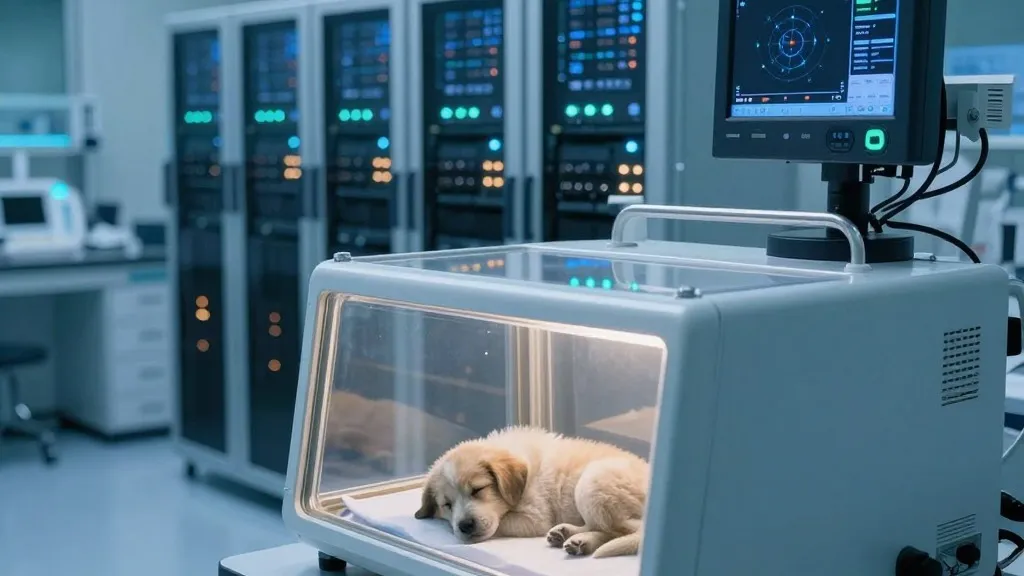
Luckey serves as a partner in the venture but holds no equity, while Colossal holds equity and licenses its technology to the new entity. The first batch of dogs is expected to be cloned and incubated soon, with births anticipated early next year. Service could begin within two years. Viagen, another Colossal-owned company, will handle the cloning process using technology with a high success rate.
Warhound has not yet set a price for the dogs but expects to sell to first responders, the Department of Defense, and police forces. The company stated it has briefed various government groups. To address safety and welfare concerns, Warhound is working under the guidance of the American Humane Society to certify its training program. The society plans to help ensure retired dogs are treated humanely, potentially through its existing reunification program.
Source: TechCrunch · original report published