159 Million at the Ballot Box: The Stakes of Brazil's Final Push
A massive coastal rally seeks to shift momentum in a tied presidential race where the underdog faces historical odds and high stakes for democratic stability.
By Kevin Sanders ·
Approximately 159 million Brazilians hold the power to decide the nation's future this Sunday, marking one of the largest eligible voting blocs in global politics. The contest has narrowed to a statistical deadlock following the initial voting phase on October 4, where Flávio Bolsonaro secured 47% of the vote against 45% for incumbent President Luiz Inácio Lula da Silva.
Historical trends suggest a significant hurdle for the current leader. Since the country returned to democratic rule in the 1980s, no candidate who trailed after the first round has managed to reverse that deficit in the final runoff. A win for Lula would therefore break a long-standing pattern, setting a new precedent for Brazilian electoral history.
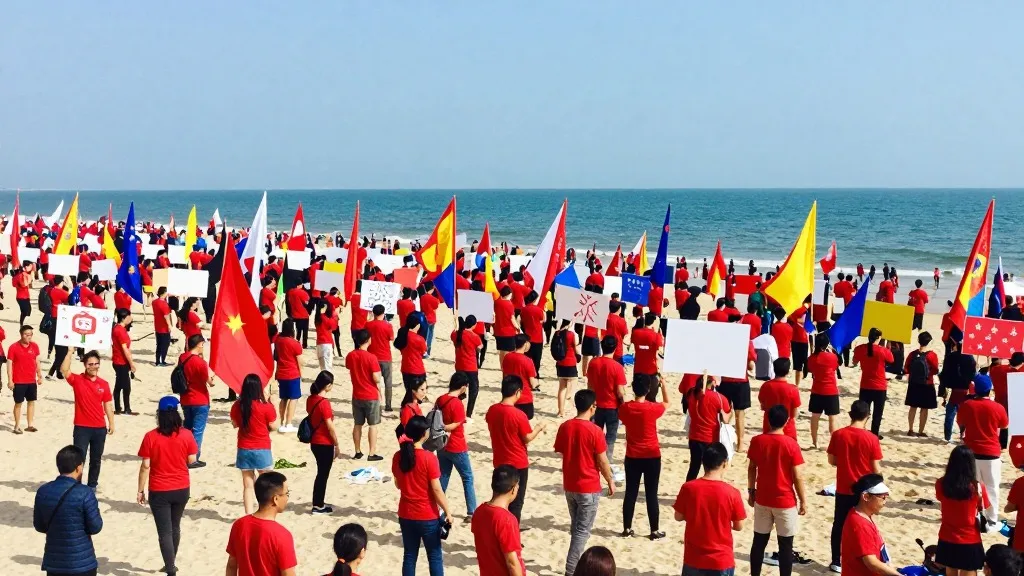
On Saturday, supporters attempted to generate the necessary momentum with a massive gathering on Rio de Janeiro's Copacabana beach. Under bright sunlight, tens of thousands of attendees, many dressed in red, filled the 2.5-mile stretch of sand in what observers described as a festive procession. Large banners and handmade signs dominated the scene, with one prominent activist predicting a landslide victory that polls do not currently support.
Despite the enthusiasm, most analysts still view Bolsonaro as the slight favorite. The son of former President Jair Bolsonaro has positioned himself as a tough candidate on public safety. However, Lula has recently gained ground in opinion polls, a shift attributed in part to scandals involving his rival. Reports surfaced last week alleging that Flávio Bolsonaro attended a boat party with lobbyists and sex workers during the peak of the 2020 pandemic, a claim that has fueled debate among voters.
The election carries weight beyond standard policy disagreements. Jair Bolsonaro is currently serving a 27-year prison sentence for plotting a coup after losing the 2022 election. Many democratic supporters fear that his son's victory could lead to his release or a return to power. There are also reports suggesting that other figures involved in the plot could receive senior roles in the military or police forces if the right-wing candidate prevails.
Organized online communities played a crucial role in mobilizing the crowd. A WhatsApp group with ten million members, known as Lula's Army, helped coordinate participation. Participants included retired teachers, DJs, and young students who traveled from distant suburbs to show support. Meanwhile, Bolsonaro's base held its own rallies in Belo Horizonte, a key state that has historically been essential for any presidential candidate to win. Supporters there emphasized the security platform, contrasting their candidate's approach with Lula's stricter gun laws.
Source: The Guardian