Osasco's Mall Boom and App Drivers Reshape Brazil's Final Vote
In a former industrial hub, the shift from factory floors to delivery apps has flipped local support from Lula to Flávio Bolsonaro ahead of Sunday's runoff.
By Thomas Rogers ·
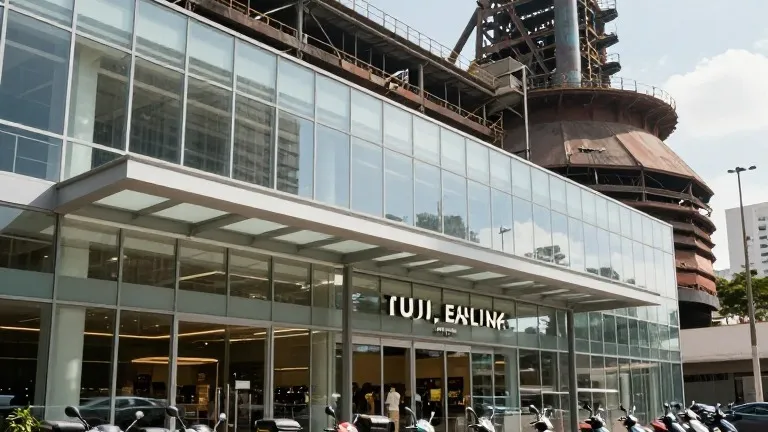
Sunday's presidential runoff in Brazil is being defined by a structural shift in how residents of Osasco earn their living. The city, once a center of heavy manufacturing and now dubbed the Silicon Valley of São Paulo, has traded its factory floors for shopping malls and delivery app headquarters. This economic transformation has altered the political landscape in the municipality, which backed President Luiz Inácio Lula da Silva in 2022 but supported right-wing candidate Flávio Bolsonaro in the first round held this month. Every first-round winner since 1989 has gone on to become president.
Gilberto Almazan, who leads a local metalworkers' union, describes the deindustrialization as a loss of the traditional working class base. He notes that metal, chemical, and textile factories have vanished, replaced by five new malls. Almazan characterizes the union movement that supported Lula's rise as stuck in the Middle Ages. Many residents now work as drivers, food couriers, or small traders, a trend Almazan calls Uber-isation. These workers often prioritize schedule flexibility over the collective welfare benefits associated with Lula's platform.
Richard Lapper, a biographer of both Lula and Jair Bolsonaro, argues that Brazil industrialized late and deindustrialized early, sharpening the current impact. He describes Lula as a victim of his own success, noting a crisis of expectations where citizens are objectively better off but feel the strain of higher prices, household debt, and high interest rates. Robson, a 53-year-old civil servant who previously supported Lula, blames the government's mismanagement for a heavy tax burden. Tairine, a hot dog seller who previously abstained from voting, now plans to support Bolsonaro, stating that nothing has changed since Lula returned to office.
Flávio Bolsonaro has proposed cutting government spending, ministries, and some taxes while retaining certain welfare programs. His campaign faces corruption accusations, which he denies. The first round saw 33 million people abstain, the highest rate since 1998. Lula's campaign is mobilizing hundreds of thousands of supporters, including students, for street rallies, with one event in São Paulo drawing approximately one million people. Lula, 80, has used social media to counter claims about his age, referring to himself as the king of selfies.
Among lower-income voters, Lula's welfare record remains influential. In Maré, a large favela in Rio, Lula won despite above-average abstention. Vitoria, an 18-year-old mother earning under £300 a month, supports Lula for the minimum wage increase, paid leave, and free medicines. She fears Bolsonaro's plan to designate the Comando Vermelho gang a terrorist organization, citing police raids last year that killed more than 130 people. Resident Andreza Dionísio attributes low turnout to last-minute polling station changes and a sense of hopelessness about the future.
Evangelical churches, which serve about a quarter of Brazilians, are filling gaps in social support with childcare and employment advice. Pastor Silas Malafaia, who is under investigation for allegedly obstructing the coup trial of Jair Bolsonaro, says Flávio Bolsonaro shares the church's values on family and opposition to abortion. Almazan fears there will never be another Lula, leaving the final outcome dependent on whether voters believe the incumbent can offer a new narrative.
Source: BBC News