Aluminum foil helps keep bedbugs off stored clothes
A low-cost household method uses the metal's smooth surface to create physical barriers against insects that hitchhike on fabrics.
By Thomas Rogers ·
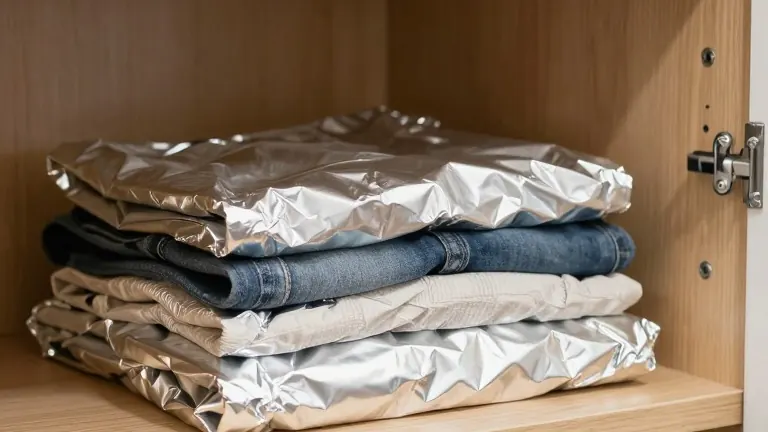
Household aluminum foil can act as a physical barrier to prevent bedbugs from reaching stored clothing. The method relies on the insect's inability to fly or jump, making smooth, shiny surfaces difficult for them to cross. This approach complements standard cleaning routines for households dealing with infestations.
Bedbugs are small parasitic insects that feed on human blood. They do not breed inside fabric or indicate poor hygiene. Instead, they travel by hitchhiking on clothing near infested areas such as mattresses, sofas, public transport, and hotels. The insects hide in seams, folds, and pockets where they find darkness and residual body heat. Clothing thus becomes a primary mode of transport for these pests.
The foil method requires specific preparation to be effective. Users must first inspect and wash all garments. Suspect items should be laundered at a minimum temperature of 60 degrees Celsius and dried on high heat for at least 30 minutes. Heat kills bedbugs in all stages of development. Storage areas, including closet shelves, drawers, and plastic bins, must be thoroughly cleaned of dust and dirt to ensure surfaces are smooth before applying the foil.
To apply the barrier, users cut sheets of aluminum foil to line the bases of shelves or the bottoms of drawers. The shiny side should face upward, and the material must be stretched tight to avoid deep wrinkles. For open hangers or furniture with legs, users tightly wrap each leg with foil. The material must be pressed firmly against wood or metal to secure it. This prevents bedbugs from climbing the structures to reach hanging clothes. For extra protection during travel or long-term storage, clean clothes can be placed in airtight plastic bags with a small crumpled sheet of foil inside. The seal isolates the garments from wandering insects.
This technique fits within a wider trend of using inexpensive, practical solutions for pest control. The reliance on physical barriers rather than chemicals appeals to those seeking manageable maintenance strategies for their homes.
Source: XHJK-TDT