Space Force Rejects SpaceX Bids
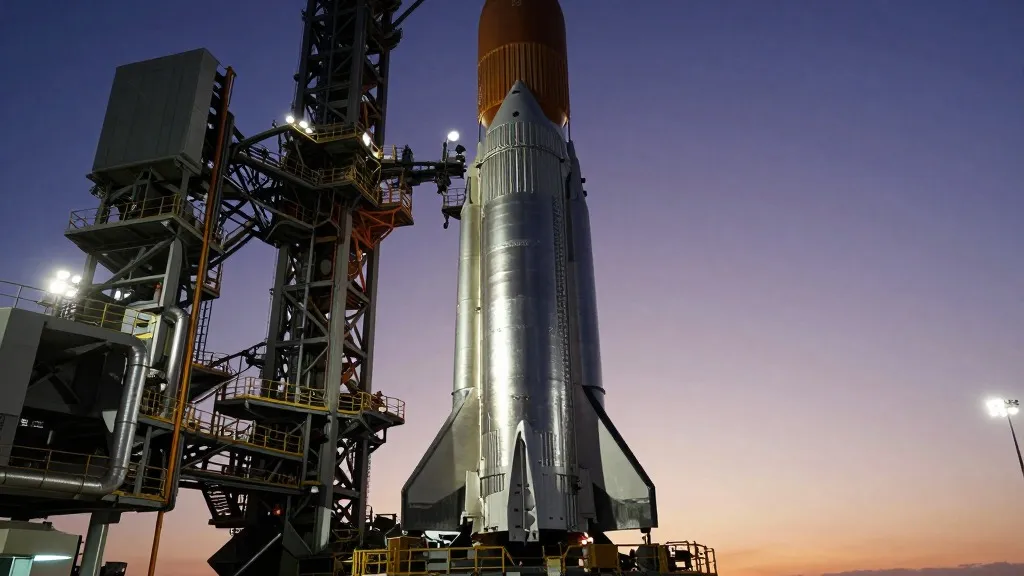
The US Space Force declined three launch contracts from SpaceX while the company’s Starship faces new fueling requirements for lunar missions.
By Kevin Sanders ·
SpaceX has turned down three launch contracts offered by the US Space Force, a decision that signals a shift in the commercial military space market. The company communicated its refusal to the military branch this week, effectively passing on the opportunities. This move comes as SpaceX continues to prioritize its own internal development goals over external military payloads.
The rejection is part of a broader pattern of news surrounding the private space sector. Alongside the contract decline, a NASA safety panel issued a significant update regarding the Starship program. The panel indicated that supporting a lunar landing may require the vehicle to undergo as many as 22 refueling stops in orbit. This high number of in-space propellant transfers highlights the technical challenges still facing the heavy-lift system designed for deep space exploration.
On the international front, Spain’s PLD Space is moving its Miura 5 rocket closer to its maiden flight. The company stated that the vehicle is nearing final integration. PLD Space has already manufactured three Miura 5 rockets. CEO Raúl Torres explained that the additional two vehicles were built to qualify key system elements before the primary launch vehicle is finalized. The company now targets a first flight for this small-lift vehicle before mid-2027.
Torres noted that producing three vehicles allowed their teams to work continuously across different production stages. He said the team is applying lessons learned from each qualification campaign directly to the launch vehicle. One Miura 5 second stage is now fully integrated to begin system-level testing under representative operating conditions. This stage is currently at PLD’s Teruel test facility for its qualification campaign, which includes a wet dress rehearsal and a static hot-fire test.
In Canada, Reaction Dynamics is looking to expand its operations significantly. The startup is seeking to raise $350 million to grow its workforce from 68 employees to more than 350. This funding drive aims to support the development of its small-lift Aurora rocket. The company hopes the Aurora will reach orbit in 2028. Reaction Dynamics is one of three prominent Canadian launch startups currently operating in the region.
The company also announced plans to develop a medium-lift rocket named Borealis. This second vehicle is slated for a debut by 2031. The expansion of staff and the addition of a new rocket model indicate that Reaction Dynamics is positioning itself for a more diverse role in the global launch market. The funding will be critical in scaling their engineering and manufacturing capabilities to meet these aggressive timelines.
These developments illustrate the current state of the launch industry. Major players like SpaceX are making selective choices about their contract portfolios. Meanwhile, newer entrants in Europe and North America are pushing forward with their first flights and funding rounds. The industry continues to evolve with a mix of military partnerships, deep space technical hurdles, and new commercial competitors emerging.
The next few years will be pivotal for these emerging companies. The success of the Miura 5 integration and the Aurora orbital test will determine the trajectory for these startups. For SpaceX, the focus remains on the Starship program and its complex refueling requirements. The space sector is entering a period of intense activity and strategic decision-making as multiple nations and companies vie for a share of the launch market.
Source: Ars Technica · original report published