Virgin Galactic's Apeiron Debut Marks Return of U.S. Space Tourism
The vessel, selected via public vote, marks the next step for a company that has not flown a passenger since June 2024.
By Kenji Yamamoto ·
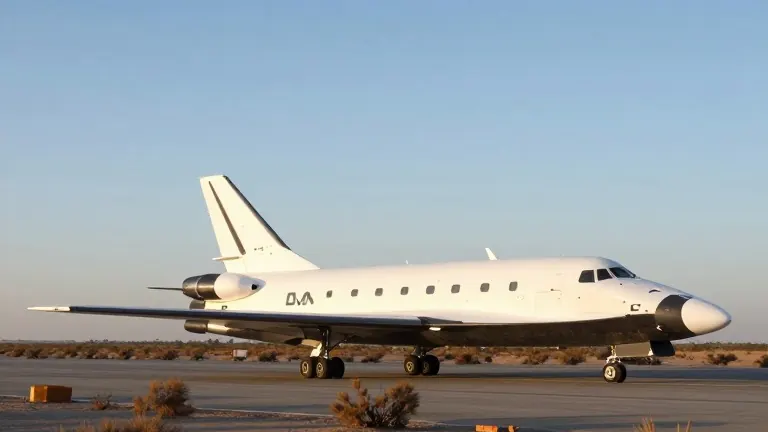
Virgin Galactic has named its first second-generation suborbital spacecraft Apeiron, a designation chosen through a public vote. The name derives from the ancient Greek concept of the boundless. The company announced the naming on Wednesday, marking a concrete step in the development of its Delta-class fleet.
The announcement arrives during a ten-month pause in U.S. space tourism. Virgin Galactic has not carried a paying customer since the VSS Unity completed its final suborbital mission in June 2024. At the time of that final flight, the company stated it would transition to the new Delta-class ships. It planned to have two of these aircraft in service by 2026, but neither has flown a passenger to date.
The gap in commercial flight opportunities is shared across the industry. Blue Origin suspended its New Shepard program in January, leaving the company without a passenger flight for ten months. Engineering teams from the New Shepard program have shifted their focus to support the New Glenn rocket and Blue Moon lander projects. SpaceX also reduced its private flight activity, with its Dragon spacecraft flying its final free-flyer mission, Fram2, in April 2025.
SpaceX’s Dragon is currently scheduled to carry a few non-NASA missions to space stations, but these flights are expected to include at least one government astronaut. The company has not provided a credible timeline for the Starship vehicle to begin carrying humans from Earth. As a result, the United States has operated without a dedicated space tourism mission for the past year.
Virgin Galactic’s new vessel represents the first physical progress toward its 2026 goal. The company had previously indicated that two Delta-class ships would enter service this year. The naming of Apeiron confirms that the first of these two aircraft is under active development and has moved beyond the conceptual phase.
Source: Ars Technica