Pakistan Finalizes Mecca Pact as Saudi Security Concerns Grow
Islamabad has completed its ratification of a tripartite defence deal with Turkey and Riyadh, a move timed to bolster the kingdom amid ongoing Houthi strikes.
By Thomas Rogers ·
Pakistan has officially completed its internal procedures to ratify a joint defence agreement with Turkey and Saudi Arabia. This decision places the two South Asian and Gulf nations in full alignment under the Mecca Joint Defence Agreement, even as the third signatory, Turkey, continues its own domestic approval process.
The move was announced on Friday by Foreign Office spokesperson Sajjad Haider Khan. He confirmed that both Islamabad and Riyadh have finished their ratification steps for the pact, which was originally signed on 7 August. Khan noted that the specific details regarding the agreement's operationalization remain under active discussion among the three parties. This announcement highlights a significant step toward a formalized security framework for the region.
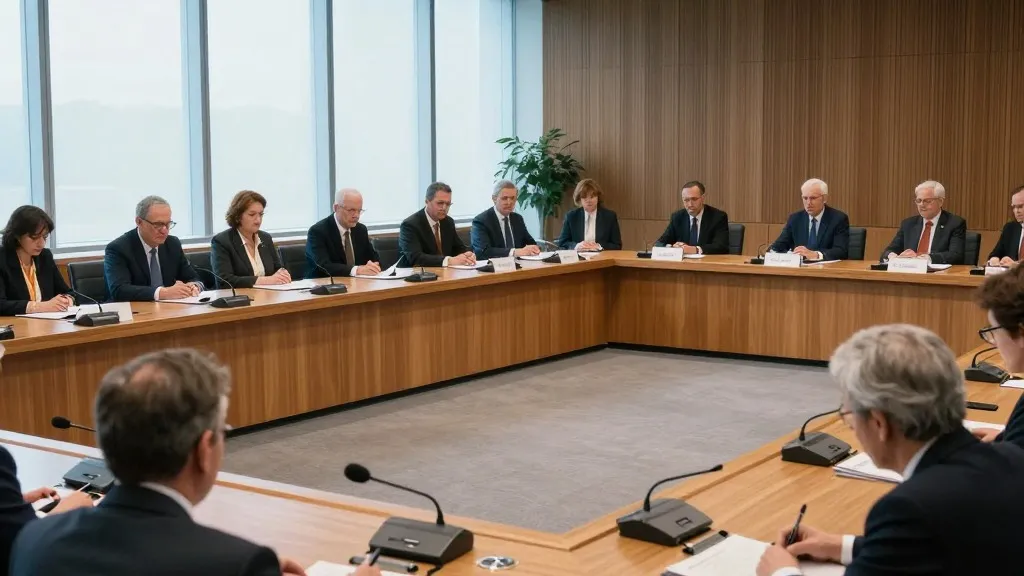
The timeline of this diplomatic effort began in early August when Turkish President Recep Tayyip Erdogan, Pakistani Prime Minister Shehbaz Sharif, and Saudi Crown Prince Mohammed bin Salman met in Mecca. There, they signed a document that establishes a collective defence mechanism. The core provision mandates that if any of the three states faces an external armed attack, the other two will provide assistance. The nature and scale of that support are to be determined based on the specific circumstances of the threat.
Islamabad has characterized the arrangement as strictly defensive, noting that it aligns with the principles of the United Nations Charter. The agreement gained momentum following a meeting on 5 October involving the Strategic Political and Defence Committee of the three nations. Participants in that session urged the fulfillment of collective defence commitments. They specifically called for the rapid deployment of military forces and capabilities to Saudi Arabia, subject to each country's internal legal requirements.
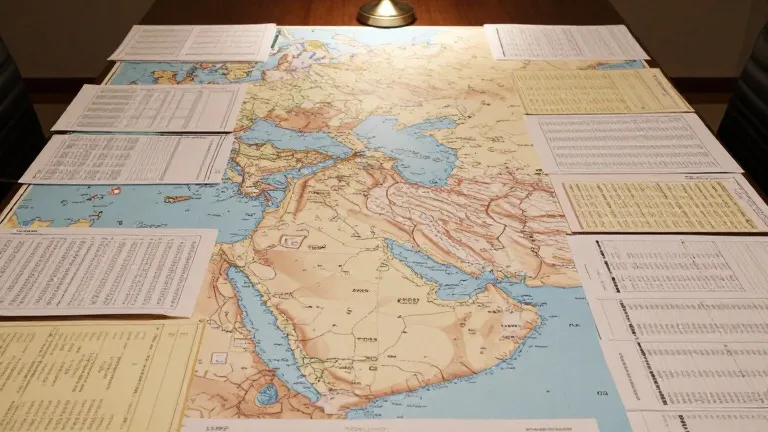
The finalization of the Pakistani portion of the deal arrives at a critical moment for the kingdom. Saudi Arabia is currently facing renewed security pressures from Yemen's Houthi forces. This week, the Saudi Civil Defence issued warnings to residents in southwestern areas, including Abha and Khamis Mushait, advising them to stay alert to potential dangers. Although authorities later stated that the immediate threat had passed, they did not specify the nature of the risk. Residents were advised to follow safety instructions and avoid gathering or filming in the affected zones, as reported by Anadolu Agency.
These civil defence alerts coincided with a series of missile and drone attacks by the Houthis on Saudi soil. Recent reporting indicates that Riyadh has been relying primarily on defensive support from its allies as it works to protect its critical infrastructure from further strikes. The timing of Pakistan's ratification underscores the urgency Saudi Arabia places on securing reliable partners for its national security.
The regional backdrop is further complicated by military activity in neighboring Israel. The Israeli military announced large-scale exercises scheduled for Sunday and Monday in the northern and central parts of the country. These drills will involve the air force and units from both the Northern and Central Commands. The scenarios will rehearse surprise air and land attacks as well as infiltration tactics. Military officials stated that the goal is to test readiness for defending against multiple fronts and to prepare for potential escalation along the borders.
These preparations are occurring while Washington and Tel Aviv reportedly weigh new military actions against Iran. On Friday, President Trump suggested that the United States might conduct another operation against Iran, noting that the conflict is approaching its eighth month. A report from The Business Times, citing US officials, indicated that American and Israeli forces have drawn up plans for fresh strikes following the US midterm elections on 3 November. Potential targets include Iranian energy infrastructure, nuclear facilities, and missile and drone capabilities.
For working families and observers across the region, the solidification of this three-nation pact represents a tangible shift in the geopolitical landscape. It signals a deeper integration of military interests between the Gulf, Anatolia, and the Indian subcontinent. As the Houthi threat persists and tensions with Iran simmer, the operational details of this agreement will be closely watched. The coming weeks will determine how quickly these theoretical commitments can be translated into actual defensive coordination.
The process is not yet complete, as Turkey continues to work through its parliamentary approval. However, with two of the three major signatories now fully on board, the path toward a functional defence union has been significantly cleared. The focus now shifts to the logistics of rapid deployment and the diplomatic discussions that will define the scope of support in a future crisis.
Source: Middle East Eye