Rubio Urges Cuban Reformers to Act as Trump Revives Naval Intervention Plan
The US Secretary of State called for a secret partnership with the CIA while the President suggested warships might stop off near the island during their return from Iran.
By Kenji Yamamoto ·
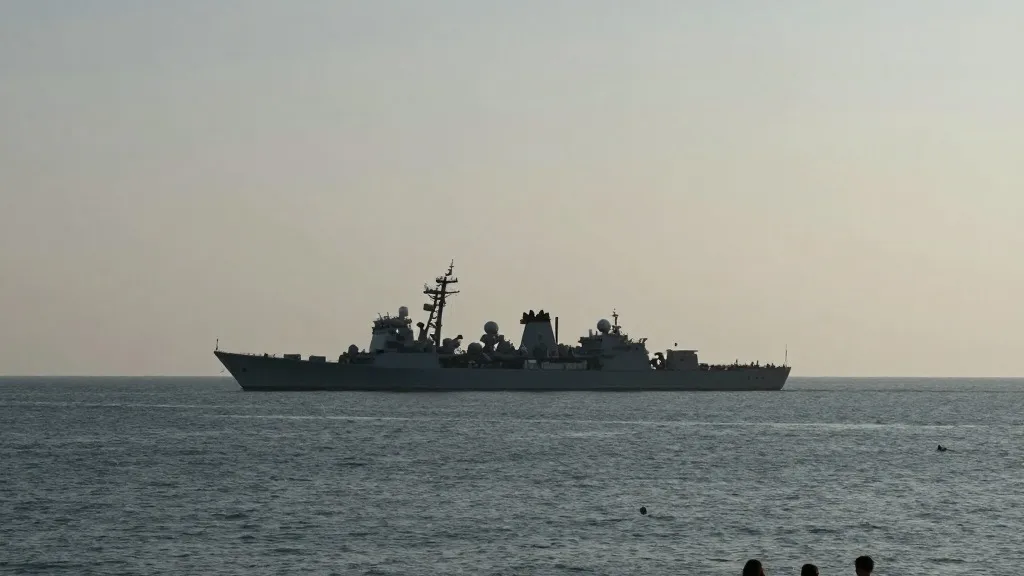
US Secretary of State Marco Rubio has directed Cubans who desire political transformation to move forward immediately, asserting that the current moment is optimal. This call to action followed closely behind remarks by President Donald Trump, who suggested that American naval vessels could make a strategic stop near Cuba while returning from the conflict in Iran. The timing of these statements places fresh pressure on the island nation just days before the United States midterm elections.
Rubio addressed a specific audience on social media, targeting those seeking positive change. He highlighted widespread frustration with broken promises, systemic corruption, and the privileged lifestyles of a small elite. In a notable phrasing choice, he encouraged Cubans to forge a discrete partnership with the CIA. Although he likely intended the word discreet to imply secrecy, he used the term discrete, which suggests separation. Rubio, whose parents emigrated from Cuba before the socialist revolution, framed this cooperation as a viable path for those dissatisfied with the status quo.
President Trump reintroduced the idea of a naval presence near the island during a rally in south Florida. Responding to a question from the crowd, he described ships passing the coast on their way back from Iran. He envisioned a ship stopping approximately 50 yards off the shore, with the crew raising their hands. Trump then joked that he would send Rubio to finalize the deal. The President had previously floated this concept earlier in the year but had remained silent on the matter for several months until now.
Havana reacted with sharp criticism to the US statements. Cuban deputy foreign minister Carlos Fernandez de Cossio mocked the announcement on X. He accused the United States of public recruitment for the CIA and suggested the agency was in a state of desperation. Fernandez de Cossio compared the effort to selling a tube of toothpaste, implying a lack of prestige in the proposed partnership.
The aggressive tone from Washington reflects a broader shift in strategy. Trump has long predicted that Cuba would be the next target for intervention after the Iran war concludes. In May, the administration raised the prospect of military action, a threat that gained weight after criminal charges were filed against former leader Raul Castro. Rubio has described Cuba as a long-standing national security threat due to its ties with US adversaries. While the administration seeks a peaceful resolution, Rubio expressed doubt that the current Cuban government would agree to terms.
Diplomatic efforts have been inconsistent in recent months. Rubio and other senior officials met with Cuban counterparts to explore improved relations, but the US side was unimpressed by the results, leading to additional sanctions. Despite this friction, Trump told reporters last month that he expected a deal to be reached without military force. However, tensions flared earlier this week at the UN, where the two governments clashed over an upcoming vote on the US economic embargo. Cuba has faced a severe economic and energy crisis since 2020, characterized by shrinking GDP, blackouts, and food shortages. These conditions have driven hundreds of thousands of citizens to emigrate, many to the United States.
The coming weeks will test whether the US strategy leans toward diplomatic breakthrough or renewed confrontation. With voters concerned about the impact of the Iran war on domestic prices, the political stakes in the US are high. For Cuba, the combination of internal economic strain and external pressure creates a volatile environment. The outcome of the midterm elections may further influence how aggressively the administration pursues its goals in the Caribbean.
Source: The Guardian