Saudi Forces Down Houthi Missiles Near Sacred Cities
Yemeni militants targeted key oil and aviation hubs as debris rained down on western Saudi Arabia.
By Kenji Yamamoto ·
The weekend brought renewed tension to the region as a new wave of projectiles crossed the border. Saudi Arabia’s Civil Defense agency confirmed on Saturday that it successfully intercepted two ballistic missiles aimed at the Mecca and Medina regions.
The interception efforts resulted in debris scattering across multiple locations in the western part of the country. Fragments of the downed weapons fell in Jeddah, Taif, and Rabigh, marking the latest physical impact of the conflict on Saudi territory.
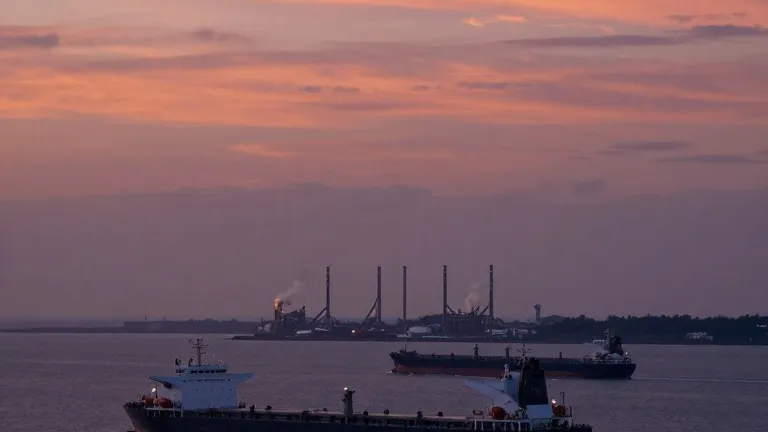
These defensive measures followed a specific set of announcements from Yemen’s Houthi movement earlier in the day. The group claimed responsibility for attacks on several strategic Saudi targets, including oil facilities and major airports. Among the sites they said they hit was a Saudi Aramco facility in Yanbu and the Rabigh oil refinery.
Yahya Saree, the military spokesperson for the Houthi group, detailed the scope of the offensive. He stated that the strikes also targeted King Khalid International Airport in Riyadh. Additionally, Saree confirmed that King Fahd International Airport in Dammam, Najran airport, and an air base in Khamis Mushait were part of the coordinated assault.
While the focus remained on the Saudi border, reports emerged from Yemen regarding reciprocal actions. The Houthi-linked Saba News Agency reported that the Yemeni National Commission for Human Rights condemned Saudi strikes in the capital, Sanaa. The commission described the events as a massacre in the Asr neighborhood and noted that a cement factory in the Hamdan district was also struck.
This escalation occurs against a backdrop of heightened caution advised by Washington. The US State Department updated its travel advisory for Israel on Friday, citing an increased threat of armed attacks by Iran-backed Houthi forces. The notice warned American citizens of the potential for a rapid expansion of regional hostilities, though the overall travel classification for Israel remained at Level 3.
The State Department’s warning referenced previous Houthi campaigns against Saudi Arabia, specifically noting strikes on civilian airports and critical infrastructure. Those earlier incidents had led to civilian casualties and significant disruptions to travel, a pattern the new advisory suggests could repeat if the current standoff continues to intensify.
Source: The Jerusalem Post